Grodzisk Wielkopolski
Oficjalna strona
STREFA MIESZKAŃCA
Dane adresowe
Ochrona Danych Osobowych
Deklaracja dostępności
Klauzula informacyjna
Klauzula informacyjna Facebook
Inspektor ochrony danych
Zapytaj Burmistrza
Rada Miejska w Grodzisku Wielkopolskim
Grodziska Gminna Rada Seniorów
Konkurs „Grodziskie Inicjatywy Społeczne 2022”
Aktualności
Konkurs „Grodziskie Inicjatywy Społeczne 2021”
Aktualności
Projekty wpisane do planu budżetu gminy Grodzisk Wielkopolski na rok 2021
Konkurs „Grodziskie Inicjatywy Społeczne 2020”
Projekty wpisane do planu budżetu gminy Grodzisk Wielkopolski na rok 2020
Konkurs „Grodziska Inicjatywa Lokalna”
O Grodziskiej Inicjatywie Lokalnej
Grodziski Klub Mam
Struktura urzędu
Jednostki organizacyjne, pomocnicze gminy i instytucje
Grodziska Orkiestra Dęta im. Stanisława Słowińskiego
Gospodarka odpadami
Gospodarka ściekami
Opłata retencyjna
Nasi dzielnicowi
Dyżury Aptek
Zasłużeni dla Miasta i Gminy Grodzisk Wielkopolski
Honorowi Obywatele Grodziska Wielkopolskiego
Urodzeni w Grodzisku Wielkopolskim
Adoptuj psa
Ankieta
STREFA TURYSTY
fontanna solankowa
Mapa
Muzealna Izba Tradycji Ziemi Grodziskiej
Gminne Centrum Informacji
Lokalizacja, godziny otwarcia, kontakt
Foldery promocyjne
Położenie, dane gminy
Historia Grodziska Wielkopolskiego, legendy, podania i ciekawostki o gminie
Dzieje miasta
Herb, flaga, hejnał miasta
Ciekawostki
Legendy i miejsca z nimi związane
Zabytki
Pomniki
Baza sportowa
Lodowisko Gminne
Szlaki i ścieżki turystyczne gminy Grodzisk Wielkopolski
Szlak Kolejki Leśnej
Szlak Piaskowych Wydm
Szlak Grodziska Pętla
Szlak Pielgrzyma
Szlak Leśnej Zwierzyny
Trasy dla rolkarzy w gminie Grodzisk Wlkp.
Okolice Grodziska
Współpraca Zagraniczna
Dębno
Betton - Francja
Dolyna - Ukraina
Birzai - Litwa
Merksplas - Belgia
Torrelodones - Hiszpania
Delligsen - Niemcy
Brod - Republika Serbska, Bośnia i Hercegowina
Tabor - Czechy
Grodzisk Mazowiecki i Grodzisk (Podlasie)
Postomino
STREFA INWESTORA
Fundusz Inwestycji Lokalnych
Oferta Inwestycyjna Gminy
Rewitalizacja
Inwestycje realizowane w roku 2019
Aktualności
2024-03-28
Komunikat w sprawie programu rewitalizacji
Szanowni Państwo, Gmina Grodzisk Wielkopolski, w ramach prac nad sporządzeniem gminnego programu re
2024-02-12
Przekaż 1,5 procent podatku
2024-04-25
Ostrzeżenie przed burzami
Dzisiaj (25 kwietnia) od godziny 12.00 do wieczora prognozowane są burze, kt&oacut
2024-04-24
KOMUNIKAT
2024-04-24
Postanowienie Komisarza Wyborczego w Poznaniu II z dnia 18.04.2024 roku
Postanowienie w sprawie zwołania pierwszej sesji nowo wybranej Rady Miejskiej w Grodzisku Wielkopols
2024-04-24
XXI Ogólnopolski Tydzień Bibliotek
W dniach 8 – 15 maja odbędzie się XXI Ogólnopolski Tydzień Bib
2024-04-24
Ostrzeżenie Meteorologiczne
Ostrzeżenie przed przymrozkami Dziś (24 kwietnia) w nocy, prognozowane są dalsze przymroz
2024-04-23
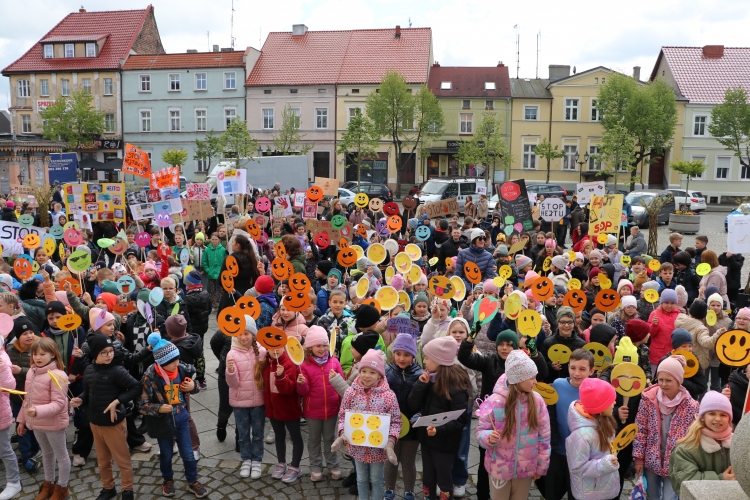
Marsz STOP HEJT
Społeczność Szkoły Podstawowej Nr 2 w Grodzisku Wielkopolskim zorganizowała we wtorkowe przedpołudni
2024-04-22
Ogłoszenie o naborze na wolne stanowisko, na czas określony (zastępstwo).
TREŚĆ OGŁOSZENIA
Zobacz więcej Aktualności